• Home
  • INDEX

Joseph Joachim

~ biography and research

Joseph Joachim

Category Archives: Letters

Joseph Joachim to Andreas Moser, August 5, 1898

22 Wednesday Oct 2014

Posted by Joachim in Letters

≈ Leave a comment

jj-initials1-e1395761217629

Joseph Joachim to Andreas Moser, August 5, 1898

Translation: Andreas Moser, Joseph Joachim. A Biography (trans. Lilla Durham), London: Philip Wellby, 1901, pp. 140-142


Dear Moser

You have asked me for information concerning a violin concerto of Robert Schumann which I possess in manuscript. I cannot speak of it without emotion, for it was written during the last months before the mind of the valued master and friend became clouded. (Düsseldorf, 11th September — 3rd October 1853, stands on the title-page.)

The circumstance that it is not published will bring you to the conclusion that it cannot be placed on an equality with the other sublime works of his creation. A new violin concerto by Schumann — with what rejoicing it would be greeted by all our colleagues! but, in spite of this consciousness, friendship — though jealous for the fame of the beloved composer — could not allow a publication of the work, however much desired by the publishers.

It must, unfortunately, be admitted that it shows a certain mental fatigue, which is apparent in spite of the struggle to overcome it.

Certain passages (how could it be otherwise?) testify to the deep sensibility of the composer; but this, by contrast unhappiily makes the weaker parts more evident.

The first movement, headed with In kräftigem nicht schnellen Tempo, in D minor Screen shot 2014-10-22 at 1.46.43 PMhas a capricious rhythm, sometimes violently running on, sometimes obstinately holding back; in the first tutti it is effectively quick, leading into a softer second subject of rich, beautiful sentiment, truly typical of Schumann! But this theme does not come to a satisfactory development; it gradually increases in tempo, changing into varied passages, which do not succeed in bringing out the brilliant ending to the solo part, because the violin part is very difficult to play without being effective.

The second tutti repeats the beginning, in the key of F major. In the solo which follows, and which in its treatment seems almost too intimate for a concerto, there is a subtly-conceived organ point on the dominant of the principal key. This could make a beautiful effect, but is scarcely as telling as it might be, because it does not lie well on the violin, and the instrumentation does not sufficiently support the climax.

The beginning of the second movement (Langsam) is deep, characteristic, and full of feeling; it leads to an expressive melody for the violin. If it were only possible to retain this mood of heavenly dreaming! Sublime master! so deep and full of feeling as ever!

My heart bleeds to confess it, but the rich fantasy changes into morbid reflections; the stream is checked, and the subjects meander as if the composer were trying to emerge from the fog of his ideas. He arouses himself to a transition, in the accelerated tempo, to the last movement, which is written as a polonaise in three-quarter time (Lebhaft, doch nicht schnell is the heading).

The first subject begins with spirit, but in the development it becomes monotonous and again shows this peculiar spasmodic rhythm. But even in this movement there is no lack of interesting detail. It contains charming allusions to the thoughtful adagio, which are brought into contrast with the brilliant principal subject of the finale. But even in this finale there is not the feeling of spontaneity. One can see that it was habit rather than feeling that led him to the development of the theme; repetitions are introduced till they become fatiguing, and the figures which are intended to be brilliant force the solo violin to great but ineffective work.

You will understand, dear Moser, now that I have fulfilled your wish, why you had to remind me several times before I could tell you anything about this concerto. One is unwilling to censure where one has been accustomed to love and reverence.

My hearty greetings and best wishes for the holidays. — From yours very sincerely,

Joseph Joachim

BERLIN, 5th August 1898


jj-initials1-e1395761217629

Lieber Moser

Sie bitten mich um Auskunft über ein als Mscrpt. in meinem Besitz befindliches Violinconcert von Rob. Schumann.

Ich kann nicht ohne Bewegung davon sprechen: stammt es doch aus dem letzten Halbjahr vor dem Ausbruch der Geisteskrankheit des theuern Meisters und Freundes, (Düßeldorf, 11. September — 3 Oktober 1853 steht auf dem Titelblatt)!

Der Umstand, daß es nicht veröffentlicht worden ist wird Sie schon zu dem Schluß bringen, daß man es seinen vielen herrlichen Schöpfungen nicht ebenbürtig an die Seite stellen kann. Ein neues Violinconcert von Schumann — mit welchem Jubel würde es von allen Kollegen begrüßt worden sein ! und doch durfte gewissenhafte Freundessorge für den Ruhm des geliebten Tondichters nie einer Publication das Wort reden, so vielumworben es auch von Verlegern war.

Es muß eben leider gesagt werden, daß es eine gewisse Ermattung, welcher geistige Energie noch etwas abzuringen sich bemüht, nicht verkennen läßt. Einzelne Stellen, (wie könnte das anders sein!) legen wohl von dem tiefen Gemüth des Schaffenden Zeugniß ab; um so betrübender aber ist der Contrast mit dem Werk als Ganzes.

Der erste Satz “In kräftigem nicht schnellen Tempo” überschrieben, D moll

Screen shot 2014-10-22 at 1.46.43 PMhat etwas rhythmisch Eigensinniges, bald heftigen Anlaufnehmend, bald trotzig stockend; im ersten Tutti wirksam schnell zu einem zweiten milden Thema von weicher schöner Stimmung hinleitend; echt Schumann’sch! Aber dieses kommt nicht zu recht erquickendem Ausbau und windet sich allmälig zu schnellerer Bewegung, um variierend in Passagen hinein zu lenken, die dennoch den gewollten glänzenden Abschluß der Solo-Stimme vor dem zweiten Tutti nicht gewähren, weil der Violinsatz oft schwer spielbar ist, ohne wirkungsvoll zu sein. Das zweite Tutti wiederholt in F dur den Anfang. Im darauf folgenden Solo, das fast zu intim für ein Concert in der Durchführung erscheint, ist ein fein angelegter Orgelpunkt auf der Dominante der Haupttonart hervortretend. Er könnte schön und bedeutend wirken, kömmt aber kaum zu voller Geltung, weil die Tonlage der Violine und die Instrumentation die Steigerung nicht genügend unterstützen.

Tief, eigenthümlich und gemüthvoll, hebt der zweite Satz (“langsam” überschrieben) einleitend an, zu einer “ausdrucksvollen” Melodie der Violine führend. Ließe  sich das selige Träumen doch festhalten — herrlicher Meister! so warm, so innig — Wie nur je! Aber die blühende Phantasie, mir blutet das Herz es zu gestehen, weicht kränkelnder Grübelei, der Fluß stockt, windet sich thematisch weiter und, als sehnte sich der Componist selbst aus diesem Grau der Reflektion hinaus, rafft er sich zu einem das Tempo steigernden Übergang in den letzten Satz auf, einem Polonaise-artigen Dreivierteltakt, (“lebhaft doch nicht schnell” überschrieben). Das Hauptthema setzt schwungvoll ein, wird jedoch in der Entwicklung monoton, wieder die gewisse charakteristische Starrheit des Rhythmus annehmend. Auch in diesem Satz fehlt es nicht an interessanten Einzelheiten; so ist es z. B. anmuthend, wie Anspielungen an das sinnende Adagio mit dem pomphaften Hauptmotiv des Finale in Gegensatz gebracht werden. Nur kommt auch hier kein freies Gefühl frohen Genußes auf. Man merkt, daß Gewohnheit, mehr als freudiger Aufschwung zur Entwicklung antreibt: Wiederholungen setzen ermüdend ein, und die glänzend gemeinten Figurationen zwingen der Solo- Violine ungewohnte, wirkungslose Arbeit ab.

Sie werden sich, lieber Moser, nun ich Ihren Wunsch erfüllt habe, etwas über das Concert mitzutheilen, erklären, warum Sie mich öfter zu mahnen hatten. Läßt man doch ungern die Reflektion da walten, wo man von ganzem Herzen zu lieben und zu verehren gewohnt ist!

Seien Sie freundschaftlichst mit den besten Wünschen für die Ferien gegrüßt von Ihrem sehr ergebenen

Joseph Joachim.


JJ Moser 1JJ Moser 2JJ Moser 3JJ Moser 4JJ Moser 5JJ Moser 6JJ Moser 7JJ Moser 8


Schumann Violin Concerto in D minor

Share this:

  • Share on X (Opens in new window) X
  • Share on Facebook (Opens in new window) Facebook
  • Email a link to a friend (Opens in new window) Email

Like this:

Like Loading...

Franz Liszt to Joseph Joachim, mid-April, 1853

25 Thursday Sep 2014

Posted by Joachim in Letters

≈ Leave a comment

jj-initials1

Franz Liszt to Joseph Joachim [i]

[Weimar, mid-April 1853]

Very dear friend,

“To be or not to be; that is the question” as regards art, which is the beginning and, as it were, the birth-cry of our immortality, just as it is with regard to dogmatic belief and our hopes of a future life. You resolve this great question with an empathetic affirmative, by a serious and beautiful work, greatly conceived and broadly developed, which categorically proves its right to exist.

After a careful reading of your score of the Overture to Hamlet I do not hesitate to offer you my sincere compliments, as much on the distinction and integral worth of the ideas as on their noble and vigorous presentation. Various circumstances, which I need not explain to you in detail, have decided me to take no more part in the activities of our theater since the last performances of Wagner’s works (as I have already informed the few people whom it could concern), I have, unfortunately, not yet had an opportunity of having your overture performed; but, unless any quite improbable events should cause me to leave here, I count on not letting next month go by without giving myself the pleasure of hearing in its entirety this remarkable work, which, among other merits, has that of bearing a strong resemblance to you as I know you and love you. When I have had it rehearsed you will perhaps allow me to make detailed observations on it; meanwhile, I must thank you very cordially for the dedication, which will please our orchestra very much, and for which I am grateful to you. [ii]

You do not answer me with regard to your coming here in May for the concert which must take place then on the marriage of princess Amélie. [iii] Mr. de Ziegesar [iv] will write to you shortly on the matter, and I hope that, if you’re not prevented from doing so by a journey to London, you will give me the pleasure of seeing you again in Weimar.

As to news which would interest you, no doubt you know already that Mlle. Max d’Arnim [v] (Armgarte’s sister) is marrying Comte Oriola, Colonel of a regiment at Bonn, where she will live.

Cornelius [vi] has just spent a fortnight at Altenburg, — always the same, excellent and charming. His last Masses for four voices with organ accompaniment are very good and worthy of high esteem.

Benvenuto Cellini [vii] will be performed in May, in Italian, at Covent Garden Theatre in London.

Hans [viii] surpasses even you in epistolatory laziness, for he has not written me a single line from Vienna. From the news I have of him through Löwy, my cousin, and Haslinger, I know that he has given two concerts, and I have no doubt of the good results to his reputation and of the valuable lessons he will draw from this trip. Some rather bitter newspaper articles about him need not make him uneasy, and I hope he will succeed in maintaining a worthy and dignified bearing as becomes one hailing from Weimar. I have particularly advised him to do nothing to influence the press and to pay court to no one. There is nothing to be gained by making the way smooth for MM. Drey., Wilm., Litt., Schul., Leop. Meyer, only to be attacked by the first cad that comes along. “To be or not to be; that is the question,” and false pretences help not at all.

But I hope he will earn the right to exist, and not simply to appear and disappear again with the advertisements and notices of his concerts. You know that I am attached to Hans as if he were my son, and up to the present my affection has not brought ill-luck to anyone.

Raff [ix] leaves Weimar on the first of June next. His Alfred will be performed again on April 16. He also has a good chance of being appointed second director of the orchestra at Munich in the place of V. Lachner, [x] who goes to Hamburg in the autumn. I am trying to get him this post, which I think ought to suit him, and I have written to Dingelstedt [xi] and to Comte Pocci, [xii] “Musikgraf” at Munich, to recommend him as he deserves.

Klindworth [xiii] is making remarkable progress, and I think you will be pleased with him when he goes back to Hanover.

Have you read the great work of which Wagner has just had a hundred copies printed for his friends — The Nibelungen Ring — a dramatic work for three days and a preliminary evening?

If you like I can send you a copy. [xiv]

For light reading I recommend to you the Soirées de l’orchestre by Berlioz, and a charming article on Indra [xv] by Kossak.

Until we meet again soon, very dear friend, most sincerely and affectionately yours,

F. Liszt


Très cher ami,

“To be or not to be; that is the question” en fait d’art, qui est le commencement et come le vagissement de notre immortalité, aussi bien qu’en fait de croyance dogmatique et de nos espérances transmondaines. Vous résolvez cette grande question d’une manière très affirmative, par une œuvre sérieuse et belle, grandement conçue et largement développée, et qui prouve catégoriquement son droit d’être.

Après une lecture attentive de votre Partition de l’ouverture de Hamlet, je n’hésite point à vous faire mes très sincères compliments, tant pour la distinction et la valeur intégrale des idées que pour leur noble et vigoureuse ordonnance. Plusieurs circonstances, qu’il serait inutile de vous détailler, m’ayant déterminé à ne point participer à l’activité de notre théâtre depuis les dernières représentations des ouvrages de Wagner, (ainsi que j’en avais prévenu à l’avance les quelques personnes que cela pouvait intéresser) je n’ai malheureusement pas encore en occasion de faire exécuter votre ouverture; mais à moins d’événements fort improbables qui m’éloigneraient d’ici, je compte ne pas laisser passer le mois prochain sans me donner le plaisir d’entendre au long et au large cette œuvre remarquable, laquelle, entre autres mérites, a celui de vous ressembler très fort, tel que je vous connais et je vous aime. Quand je l’aurai fait répéter, vous me permettez de vous faire peut-être quelques observations de menu détail; en attendant, j’ai à vous remercier très cordialement de la Dédicace, qui flattera beaucoup notre chapelle et dont je vous suis reconnaissant.

Vous ne me répondez pas au sujet de votre venue ici au mois de mai pour le Concert qui doit avoir lieu lors des fêtes dii mariage de la Princesse Amélie. Mr. de Ziegesar vous écrira prochainement à sujet; et j’espère que, si vous n’en êtes pas empêché par un voyage à Londres, vous me ferez la fête de votre retour à Weymar.

En fait de nouvelles qui peuvent vous intéresser, vous savez sans doute déjà que Mlle Max d’Arnim (la soeur d’Armgarte) épouse le Comte Oriola, Colonel d’un régiment à Bonn, où elle s’établira.

Cornelius vient de passer une quinzaine de jours à l’Altenburg, — toujours le même, excellent et charmant. Ses dernières Messes à 4 voix avec accompagnement d’orgue sont un très bon travail et dignes d’une sérieuse estime.

Benvenuto Cellini sera représenté en italien au mois de mai au théâtre de Covent-Garden à Londres.

Hans vous surpasse encore en paresse épistolaire, car il ne m’a pas écrit une seule ligne de Vienne. D’après les nouvelles que j’en reçois par Löwy, mon cousin, et Haslinger, je sais qu’il y a donné deux Concerts, et ne suis pas en peine des bons résultats de réputation et d’utile apprentissage qu’il retirera de ce voyage. Quelques articles de journaux assez aigres sur son compte n’ont pas de quoi l’inquiéter, et j’espère qu’il saura faire bonne et digne contenance, comme il convient à quelqu’un arrivant de Weymar. Je lui ai particulièrement recommandé de ne point subventionner les louanges de la Presse et de ne point faire de basse Cour. H n’a rien à gagner en payant les voies battues par MMrs Drey:, Willm:, Litt:, Schul:, Leop: Meyer, si ce n’est à se faire battre par le premier malotru survenant. “To be or not to be, that is the question”, — et les faux semblans n’y peuvent rien.

Or, j’espère qu’il acquerra le droit d’être et non seulement d’apparaître pour disparaître avec les affiches et les réclames de ses Concerts. Vous savez que je me suis attaché à Hans comme à un fils, et jusqu’ici mon affection n’a porté malheur à personne.

Raff quittera Weymar le 1r juin prochain. Son Alfred sera représenté de nouveau le 16 avril. Il a aussi de bonnes chances pour être nommé second maître de Chapelle à Munich en remplacement de V. Lachner, qui vient à Hambourg en automne. Je m’intéresse à ce qu’il obtienne cette place, qui me semble devoir lui convenir, et j’ai écrit à Dingelstedt et au Comte Pocci “Musikgraf” à Munich, pour le recommander comme il le mérite.

Klindworth fait de notables progrès, et je pense que vous serez content de lui, quand il reviendra à Hanovre.

Avez-vous lu le grand œuvre que Wagner vient de faire imprimer à une centaine d’exemplaires pour ses amis “Der Ring des Nibelungen — ein Bühnenfestspiel für drei Tage une einen Vorabend?”

Si vous le désirez, je puis vous en envoyer un exemplaire.

Comme lecture amusante je vous recommande les “Soirées de l’orchestre” de Berlioz et un charmant article de Kossak sur Indra.

A revoir bientôt, très cher ami —

et bien sincèrement à vous

d’affection

F. Liszt.


[i] Joachim/BRIEFE I, pp. 49-51; translation from Bickley/LETTERS, pp. 20-23.

[ii] The score of the Hamlet Overture bears the dedication: “Dedicated to the members of the Weimar Orchestra”; it was not printed until after Joachim’s death in 1908 [sic]. [Footnote original to Bickley/LETTERS]

[iii] Princess Amalia of Saxe-Weimar-Eisenach (1830-1872) married Prince Henry (Willem Frederik Hendrik) of the Netherlands (1820-1879) in Weimar on May 19, 1853).

[iv] Baron Ferdinand von Ziegesar (1812-1854) was intendant of the Weimar Court Theater from 1847 until his death.

[v] Maximiliane (von Arnim) von Oriola (1818-1894), daughter of Achim and Bettina von Arnim.

[vi] Composer [Carl August] Peter Cornelius (1824-1874).

[vii] Berlioz’ opera, which he had composed that year. [Footnote original to Bickley/LETTERS]

[viii] Hans Guido von Bülow (1830-1894).

[ix] Joseph Joachim Raff (1822-1882).

[x] Composer and conductor Vinzenz Lachner (1811-1893), was the youngest brother of composer and conductor Franz Lachner (1803-1890).

[xi] Poet and Munich Court Theater intendant Franz von Dingelstedt (1814-1881).

[xii] Count Franz von Pocci (1807-1876).

[xiii] Karl Klindworth (1830-1916).

[xiv] This rare edition was in Joachim’s possession at the time of his death. [Footnote original to Bickley/LETTERS]

On April 8, 1853, Liszt wrote to Wagner: “Do not be offended, dearest friend, because I have not yet written to you about the Ring of the Nibelung at greater length. It is not my business to criticise and expound so extraordinary a work, for which later on I am resolved to do everything in my power in order to gain a proper place. I have always entreated you not to abandon the work, and am delighted by the perfection of your poetic workmanship. Almost every day the Princess greets me with the words — ‘Nicht Gut, nicht Geld, — noch göttliche Pracht; / Nicht Haus, nicht Hof, — noch herrischer Prunk; / Nicht trüber Verträge trügender Bund, / Noch heuchelnder Sitte hartes Gesetz: / Selig in Lust und Leid, lässt — die Liebe nur sein!’” [Correspondence of Wagner and Liszt, vol. I, 1841-1853, Francis Hueffer (trans.), New York: Scribner and Welford, 1889, pp. 275-276.]

[xv] Opera by Flotow, which was being performed everywhere at that time. [Footnote original to Bickley/LETTERS]

Share this:

  • Share on X (Opens in new window) X
  • Share on Facebook (Opens in new window) Facebook
  • Email a link to a friend (Opens in new window) Email

Like this:

Like Loading...

Robert Schumann to Joseph Joachim, June 8, 1853

23 Tuesday Sep 2014

Posted by Joachim in Letters

≈ Leave a comment

Translation © Robert W. Eshbach 2014


jj-initials1

Robert Schumann to Joseph Joachim [i]

Düsseldorf, June 8, 1853

Many thanks for your dear letter, and for the music enclosed with it; above all for your overture, which captured my deep interest from the first bars. I was greatly surprised; — Since you had not told me the name of the tragedy, I had expected to find a cheerful concert overture, and found something so very different. As I read it, it was as if, page by page, the scene was illuminated for me, and Ophelia and Hamlet emerged in physical form. There are moving places in it, and the whole is presented in such clear and imposing form, as befits such a noble task. I would like to tell you a great deal about it; but words are inadequate to express what one feels. Above all, music should be appealing in its effect, and when I say that yours was that for me, you may believe me. What now, apart from the poet in us, is of specifically musical interest — for that, you have abundantly provided. The elaborate interweaving of the motives, the way in which you repeat in a new manner what you have said before, and, above all, the handling of the orchestra and its distinctive application for light and shadow effects — all this seems to me praiseworthy. And it is not lacking in individual bold and venturesome turns, as the particular subject requires: for example the harsh interval in the third measure (the E-flat) somewhat astonished me at first reading. But in the course of the piece, it was precisely this interval that seemed marvelously characteristic, and not to be replaced by any other. Other passages which especially please me are the 1st entrance of the principal theme [Schumann’s word is “principal song”] in F Major (does the oboe penetrate sufficiently here?), and then the entrance of the same theme [“song’] in D Major (in the horns), before that the chord progression

1

and then the whole extended moderato in the middle must be of magical effect — then, too, the last pages with the low-lying horn tones, and the final cadential chords — and then the whole thing.

Accept my congratulations on the completion of this work. Do not change any of it before you have heard it repeatedly. I would very much like to perform the overture in one of our first concerts. Would you perhaps help us by lending us the score and the parts, if you have them?

I found my name written in your handwriting on the score of the Beethoven Concerto. I assume you meant it for me as a present, which I gladly accept, all the more since it reminds me of the magician and sorcerer who led us, with expert hand, through the heights and depths of this miraculous marvel, which most people try in vain to fathom. And, in reading the concerto, I will very often remember that unforgettable day.

Farewell, honored and dear one, and remember me well.

R. Schumann

 Today I entered my 43rd year of life.

[In Clara Schumann’s hand] Please be so kind as to accept my heartfelt greeting as well, dear Mr. Joachim! we still live in the memory of the glorious hours that you gave us. See that those past hours lead to new ones very soon.

 Clara Sch.


Düsseldorf, den 8. Juni 1853

Vielen Dank für Ihren lieben Brief, wie für die Musik, die ihm beilag, vor allem für Ihre Ouverture, die von den ersten Tacten an mir tiefes Interesse einflößte. Sehr überrascht war ich; — ich vermuthete, da Sie mir den Namen der Tragödie nicht genannt hatten, eine heitre Concertouverture zu finden, und fand so etwas ganz Anderes. Es war mir beim Lesen, als erhellte sich von Seite zu Seite die Scene, und Ophelia und Hamlet träten in leibhaftiger Gestalt hervor. Es sind ganz ergreifende Stellen darin, und das Ganze in so klarer und großartiger Form hingestellt, wie es einer so hohen Aufgabe gemäß ist. Vieles möchte ich Ihnen darüber sagen; aber Worte sagen nur unvollkommen, was man empfindet. Sympathisch vor Allem muß die Musik wirken, und wenn ich das von Ihrer auf mich sagen kann, so mögen Sie das glauben. Was nun, außer dem poetischen Menschen in uns, den speciell musikalischen interessirt, dafür haben Sie auch reichlich gesorgt. Die kunstreiche Verwebung der Motive, die Weise, wie Sie schon früher Ausgesprochenes in neuer Art wiederbringen, und vor Allem die Behandlung des Orchesters und dessen eigenthümliche Verwendung zu seltenen Licht- und Schatteneffecten — dies Alles scheint mir sehr preiswürdig. Auch fehlt es nicht an einzelnen kühnen und verwegenen Wendungen, wie der besondre Stoff verlangt, wie mich denn beim ersten Lesen das scharfe Intervall im 3ten Tact (das es) [sic [ii]] etwas frappirte. Aber im Verlauf des Stückes erscheint gerade dieses Intervall vorzüglich charakteristisch, und durch kein anderes zu ersetzen. Welche Stellen mich noch besonders anmuthen, das ist der 1ste Eintritt des Hauptgesanges in F dur (dringt hier die Hoboë genug durch?), dann der Eintritt desselben Gesanges in D dur (in den Hörnern), vorher der Accordenwechsel

1

 wie denn das ganze größere Moderato in der Mitte von zauberischer Wirkung sein muß — dann auch die letzten Seiten mit den tieflagenden Horntönen, und die letzten Schlußaccorde — und dann das Ganze.

Nehmen Sie denn meinen Glückwunsch zur Vollendung dieses Werkes. Ändern Sie auch nichts daran, bevor Sie es nicht mehrmals gehört. Gern wünschte ich die Ouverture in einem der ersten unserer Concerte aufzuführen. Würden Sie uns vielleicht durch Überlassung der Partitur und der Stimmen, wenn Sie in deren Besitz sind, dazu behülflich sein?

Auf der Partitur des Beethovenschen Concerts fand ich meinen Namen durch Ihre Hand eingezeichnet. Ich vermuthe, Sie haben mir dies als Geschenk zugedacht, was ich mit Freuden annehme, um so mehr, da es mich an den Zauberer und Geisterbeschwörer erinnert, der uns durch die Höhen und Tiefen dieses zauberischen Wunderbares, den die Meisten umsonst ergründet, mit kundiger Hand geleitete. So will ich mich beim Lesen des Concerts jenes unvergeßlichen Tages recht oft erinnern.

Leben Sie wohl, Verehrter und Lieber, und behalten Sie mich in gutem Andenken.

R. Schumann

 Heute trat ich mein 43stes Lebensjahr an.

[Von Clara Schumann’s Hand] Auch meinen herzlichen Gruß nehmen Sie, lieber Herr Joachim, freundlich an! noch immer leben wir in Erinnerung der herrlichen Stunden, die Sie uns geschaffen. Machen Sie, daß recht bald zu den vergangenen neue kommen.

Clara Sch.

 __________

[i] Joachim/BRIEFE I, pp. 60-62.

[ii] Jansen, in Robert Schumanns Briefe, 2nd edition, p. 374, reads des-es.

Share this:

  • Share on X (Opens in new window) X
  • Share on Facebook (Opens in new window) Facebook
  • Email a link to a friend (Opens in new window) Email

Like this:

Like Loading...

Joseph Joachim to Robert Schumann, June 2, 1853

22 Monday Sep 2014

Posted by Joachim in Letters

≈ Leave a comment

Translation © Robert W. Eshbach 2014


jj-initials1

Joseph Joachim to Robert Schumann [i]

Hanover, June 2, 1853

The days that I recently spent with you are for me too significant for me not have wished to hold them a bit in your memory. The score to the Beethoven Violin Concerto, that you wished to possess, and that I permit myself to send to you with these lines, offers me a helpful opportunity. May Beethoven’s example inspire you to bring to light from your deep mine a work for the poor violin players, for whom, except for chamber music, there is so little for their instrument of uplifting value, wonderful guardian of richest treasures!

The overture to Hamlet, which accompanies the concerto, and that, in the worst case, should serve as an antidote, is of my composition; I hesitate in sending it to you, for this is the first time that you see one of my works. I heard it a week ago in Weimar; in most places, the sounds were as my inner ear perceived them; nevertheless, it became clear to me that it will be necessary to make a few formal alterations: in many places the forte breaks off too suddenly after long intensifications, without sufficient satisfaction for the musical sense. A few comments from you, honored master, could be of great importance for me and my progress; I do not wish to ask you for them, for you have, after all, more important commitments; but I would like at least to say to you that it would please me if you would sometime reserve a few minutes for me and my overture! I travel tomorrow to Göttingen, where I shall stay for a few months. —

The Düsseldorf days will be present in me for a long time; It wasn’t that I was so exhilarated by the excessive appreciation of my accomplishments — it did me still far more good to encounter a host of artistic companions in your presence, in whose company I hope to travel a good long path; here in Hannover, I had felt very lonely.

In most joyful devotion to you and your spouse, I remain

Respectfully,

Joseph Joachim


Hannover, am 2ten Juni 1853.

Die Tage, die ich letzthin in Ihrer Nähe verbracht habe, sind für mich von zu grosser Bedeutung, als dass ich nicht wünschen müsste, sie Ihnen ein wenig im Gedächtnis zu erhalten. Die Partitur des Beethoven’schen Violine-Concertes, welche Sie zu besitzen wünschten, und die ich mir erlaube Ihnen mit diesen Zeilen zu übersenden, biethet mir dazu hülfreiche Gelegenheit. Möchte doch Beethoven’s Beispiel Sie anregen, den armen Violinspielern, denen es, ausser der Kammermusik, so sehr an Erhebendem für ihr Instrument fehlt, aus Ihrem tiefen Schacht ein Werk an’s Licht zu ziehen, wunderbarer Hüter reichster Schätze!

Die Ouvertüre zu Hamlet, welche dem Concert beiliegt, das im schlimmsten Fall als Gegengift fungiren soll, ist von meiner Composition; ich zage bei der Übersendung, denn es ist das erstemal, dass Sie von mir ein Werk zu Gesicht bekommen. Vor einer Woche hörte ich dasselbe in Weimar; die Klänge waren an den meisten Stellen so, wie mein inneres Ohr sie vernommen hatte; es drängte sich mir aber dennoch die Notwendigkeit auf, einige formelle Änderungen vorzunehmen: an mehreren Stellen, glaube ich, bricht nach langen Steigerungen, das Forte zu kurz ab, ohne genügende Befriedigung für den Musik-Sinn. Einige Bemerkungen von Ihnen, verehrter Meister, könnten für mich und mein Weiterstreben von hoher Wichtigkeit sein; ich will Sie nicht darum bitten, denn Sie haben am Ende Verpflichtungen, gegen die der Einzelne willig nachstehen muss; aber wenigstens möchte ich Ihnen sagen, dass es mich beglücken würde, wenn Sie einige Minuten einmal für mich und meine Ouvertüre übrig behielten! Ich reise morgen nach Göttingen, wo ich einige Monate bleiben werde. —

Die Düsseldorfer Tage werden lange in mir wirksam sein; nicht dass man so überdankbar meine Leistungen aufnahm, hat mich so sehr erfrischt — es hat mir noch viel mehr wohlgethan in Ihrer Umgebung eine Schaar von künstlerischen Genossen zu treffen, mit denen ich hoffen darf, recht lange einen Weg zu verfolgen; hier in Hannover hatte ich mich sehr vereinsamt gefühlt.

In freudigster Verehrung für Sie und Ihre Frau Gemahlin verbleibe ich

Hochachtungsvoll ergeben

Joseph Joachim.

__________

[i] Joachim/BRIEFE I, pp. 59-60.

Share this:

  • Share on X (Opens in new window) X
  • Share on Facebook (Opens in new window) Facebook
  • Email a link to a friend (Opens in new window) Email

Like this:

Like Loading...

Robert Schumann to Joseph Joachim, April 17, 1853

22 Monday Sep 2014

Posted by Joachim in Letters

≈ Leave a comment

Robert Schumann to Joseph Joachim

Düsseldorf April 17, 1853 (perhaps April 12)

Dear and honored Mr. Joachim!

I have just been informed that you have received an invitation from our music festival committee. Perhaps the gentlemen did it in order to spare me a letter, since I am now busy in many ways. But in this case, I feel personally obliged to express to you the wish of the committee, as well as our anticipated joy should you fulfill it. I think it will be a happy time, and there will be no lack of good music. You will certainly find some of your acquaintances here. So come, and don’t forget to bring your violin and the Beethoven Concerto, which we would all like to hear.

Yours faithfully,

R. Schumann

[Translation: Robert W. Eshbach]


Robert Schumann to Joseph Joachim

Düsseldorf 17. April 1853 (perhaps April 12)

Lieber und geehrter Herr Joachim!

Es ist mir eben mitgetheilt worden, daß Sie von unserm Musikfestcomité eine Einladung erhalten haben. Die Herren thaten es vielleicht, um mir, der ich jetzt vielfach beschäftigt bin, einen Brief zu ersparen. Aber in diesem Fall fühle ich mich doch auch persönlich verpflichtet, Ihnen den Wunsch des Comité auszusprechen, wie im Voraus die Freude, wenn Sie ihn erfüllen. Ich denke, es werden fröhliche Tage, und an guter Musik wird es auch nicht fehlen. Gewiß werden Sie auch manchen Ihrer Bekannten hier finden. So kommen Sie denn, und vergessen Sie auch nicht Ihre Geige und das Beethoven’sche Concert mitzubringen, das wir Alle gerne hören möchten.

Ihr ergebener,

R. Schumann

__________

Joachim/BRIEFE I, p. 52.

Share this:

  • Share on X (Opens in new window) X
  • Share on Facebook (Opens in new window) Facebook
  • Email a link to a friend (Opens in new window) Email

Like this:

Like Loading...

Joseph Joachim Letters to Friedrich Hegar

22 Saturday Mar 2014

Posted by Joachim in Letters, Uncategorized

≈ Leave a comment

Letters from Joseph Joachim to Friedrich Hegar, various dates.

Zentralbibliothek Zürich

http://www.e-manuscripta.ch/search/quick?query=joseph+joachim


Friedrich Hegar (Basel, 11 October, 1841 — Zürich, 2 June, 1927) was a Swiss conductor and composer. He studied at the Leipzig Conservatorium under Hauptmann, Rietz, and David, at the same time playing violin in the Gewandhaus Orchestra. The major portion of his career was spent in Zürich, where he served as concertmaster and then conductor of the orchestra. He also conducted various choirs. In his time in Zürich, he gave about a hundred performances each of Brahms and Wagner, and 57 of Bach.


1309 Brief an Friedrich Hegar

1308 Brief an Friedrich Hegar


1310 Postkarte an Friedrich Hegar:

Besten Dank, geehrter Freund,

Für Ihren Vorschlag. Es is mir aber

Leider unmöglich eine Zusage zu geben.

Vor Ende Juli kann ich Berlin nicht

Verlassen: die Schule hält mich zurück.

Mit herzlichem Gruß

Ihr J. J.

Freitag

d. 21 Ap.


1311 Brief an Friedrich Hegar

1312 Brief an Friedrich Hegar

1314 Brief an Friedrich Hegar

1668 Brief mit Umschlag an Friedrich Hegar

1862 Brief an Friedrich Hegar


Share this:

  • Share on X (Opens in new window) X
  • Share on Facebook (Opens in new window) Facebook
  • Email a link to a friend (Opens in new window) Email

Like this:

Like Loading...

Protected: Joseph Joachim to Ferdinand David, Bonn, July 30, 1856

05 Wednesday Feb 2014

Posted by Joachim in Letters

≈ Enter your password to view comments.

This content is password-protected. To view it, please enter the password below.

Hector Berlioz to Joseph Joachim, Brunswick, 4 April [1854]

02 Thursday Jan 2014

Posted by Joachim in Letters

≈ Leave a comment

© 2014 Robert W. Eshbach


jj-initials1

BERLIOZ, Hector (1803-1869). Autograph letter signed (‘H. Berlioz’) to Joseph Joachim, Deutsches Haus, Brunswick, 4 April [1854], confirming that they will be playing his overture Le Corsaire and the Banquet and Adagio from his symphony Roméo et Juliette; he asks Joachim to bring the German text for two other pieces.

One page, 4to (minor loss to right margin). Provenance: Stargardt, 28 October 1955, cat. 524, lot 342.


Screen Shot 2014-01-02 at 2.06.48 PM

Mon cher Joachim

Screen Shot 2014-01-02 at 2.07.39 PM

Oui, nous jouerons le Corsaire et deux autres morceaux (La Fête et l’adagio) de Romeo.

Si vous venez, soyez assez bon pour m’apporter les paroles allemandes de l’Absence et de La Captive que Mr Nieper avait eu la bonté de me promettre et que je ferai chanter à Dresde’.

Screen Shot 2014-01-02 at 2.17.45 PM

mille amitiés

votre tout dévoué

Screen Shot 2014-01-02 at 2.06.25 PM

H. Berlioz

Brunswick Deutsches Haus Mardi 4 avril


[Yes, we will play the Corsair and two other songs (La Fête and the adagio) from Romeo. / If you come, be kind enough to give me the German words of L’Absence and La Captive that Mr Nieper had the kindness to promise me and that I shall sing [perform] in Dresden.]


Apparently unpublished: not in the Correspondance Générale, ed. Citron (1983-2003), where its existence is however surmised.

Sold at Christie’s: Sale 5960, Valuable Manuscripts and Printed Books, 21 November 2012, London, King Street. £4,750, $7,548.

Share this:

  • Share on X (Opens in new window) X
  • Share on Facebook (Opens in new window) Facebook
  • Email a link to a friend (Opens in new window) Email

Like this:

Like Loading...

Joseph Joachim to Franz Liszt, Göttingen, August 27, 1857

07 Wednesday Aug 2013

Posted by Joachim in Letters

≈ Leave a comment

Translation © Robert W. Eshbach, 2013


jj-initials

Joseph Joachim to Franz Liszt

                                                                        Göttingen 27. August 1857.

The constancy of the trusting kindness with which you approach me to include me in the community of friends who are moved by your power, bold and much-encompassing spirit, shames me for my lack of openness up to this point. This is not the first time that I have had this feeling, which would deeply humiliate me in my own eyes were I not at the same time consoled by the knowledge that this lack of candor, which contrasts so badly with my life at Weimar and your unchanging affection, is not cowardice, but is far more related to the best feeling that I carried within myself, imagining that my humble self, insignificant in mental power and energy as I must appear compared with you, must nevertheless be capable, through the deep love of truth and the deep affection for you, both of which which you know to reside in me, of becoming a thorn for you which I would not use to wound you. — But what good would it do if I were to procrastinate any longer in speaking clearly what I feel — my passivity regarding your activities would reveal my attitude anyway, unattractively veiled, to you who are used to meeting with enthusiasm and who know me to be capable of a genuine and active friendship. So I wish no longer to keep secret that which, I confess to you, your manly spirit should have required of me before, indeed to which you were as such entitled: I am completely unresponsive [unzugänglich] to your music; it contradicts everything which from early youth I have taken as mental nourishment from the spirit of our great masters.  Were it possible to imagine that I could ever be robbed of, that I should ever have to relinquish, that which I have learned to love and honor in their creations, that which I feel to be music, your sounds would not fill for me any of the vast and annihilating desolation.  How, then, can I feel myself to be united in aim with the fraternity of those who, under the protection of your name and in the belief (I speak of the noble among them) that they are answerable for the justification of their contemporaries against the acts of the Artists, make it their life’s work to propagate your works by every means possible? Rather, I must be prepared, in striving to achieve my goals, to depart from them more and more, and to do that which I have recognized as good, which I believe to be my work, on my own responsibility, be it ever so quietly. I can be of no assistance to you, and I can no longer give you the impression that the concern that you and your pupils represent is mine. I must therefore refuse your last kind invitation to take part in the festivities in Weimar in honor of Carl August; I respect your character too highly to be present as a hypocrite, and I revere the memory of the Prince, who lived with Goethe and Schiller and wished to rest with them, too much to be present out of curiosity.

Forgive me if I have clouded your preparations for the Festival with a moment of distress. I had to do it. Your awe-inspiring industry, the number of your followers, will soon allay the pain I have caused you, but whenever you think of these words believe one thing of me: that for everything that you were, for all the often too-appreciative warmth that you showed me in Weimar, for all that I often strove to learn and assimilate from your divine gifts, I shall never cease to carry in my heart of hearts the full, true remembrance of a grateful pupil. [i]

Joseph Joachim.


JJ Initials

Die Beharrlichkeit der zutrauensvollen Güte, mit der Du, vielumfassend kühner Geist, Dich zu mir neigst, um mich dem Verein der von Deiner Kraft bewegten Freunde angefügt zu sehen, hat für meinen bisherigen Mangel an Offenheit etwas Beschämendes, das ich nicht jetzt zuerst fühle und das mich, mir selbst gegenüber, tief demüthigen müsste, hätte ich nicht zugleich das tröstende Bewußtsein, daß dieser Mangel an Offenheit, der so schlimm gegen meinen Aufenthalt in Weimar und Deine immergleiche Herzlichkeit kontrastirt, nicht Feigheit sei, und vielmehr dem besten Gefühl verwandt war, das ich in mir trug, als müsse mein geringes Selbst, so unbedeutend an geistiger Macht und Energie es sich Dir gegenüber vorkommt, dennoch im Stande sein, durch die tiefe Wahrheitsliebe und die tiefe Neigung zu Dir, die Du zugleich an ihm haftend wußtest, ein Stachel für Dich zu werden, den ich nicht verwundend gebrauchen dürfte. — Aber was hülfe es, wollt’ ich noch länger zaudern klar auszusprechen, was ich empfinde — meine Passivität Deinem Wirken gegenüber müsst’ es, unschön umnebelt, dennoch offenbaren, Dir, der gewohnt ist, Enthusiasmus für Sich handeln zu sehen, und der auch mich echter, thatkräftiger Freundschaft fähig hält. So will ich denn nicht mehr verschweigen, was, ich gesteh’ es beichtend ein, Dein männlicher Geist früher zu hören fordern mußt’, ja worauf er als solcher ein Anrecht hat: Ich bin Deiner Musik gänzlich unzugänglich; sie widerspricht Allem, was mein Fassungsvermögen aus dem Geist unserer Großen seit früher Jugend als Nahrung sog. Wäre es denkbar, daß mir je geraubt würde, daß ich je dem entsagen müsst’, was ich aus ihren Schöpfungen lieben und verehren lernte, was ich als Musik empfinde, Deine Klänge würden mir nichts von der ungeheuren, vernichtenden Öde ausfüllen. Wie sollt’ ich mich da mit denen zu gleichem Zweck verbrüdert fühlen, die unter dem Schild Deines Namens und in dem Glauben (ich rede von den Edlen unter ihnen), für die Gerechtigkeit der Zeitgenossen gegen die Thaten der Künstler einstehen zu müssen, die Verbreitung Deiner Werke mit allen Mitteln zu ihrer Lebensaufgabe machen? Vielmehr muß ich darauf gefaßt sein, mit dem, was ich mich bescheide für mich zu erstreben, immer mehr von ihnen abzuweichen, und das, was ich für gut erkannt, was ich für meine Aufgabe halte, auf eigne Verantwortung, wär’s noch so still, zu üben. Ich kann Euch kein Helfer sein und darf Dir gegenüber nicht länger den Anschein haben, die Sache, die Du mit Deinen Schülern vertrittst, sei die meine. So muß ich denn auch Deine letzte liebevolle Aufforderung zur Theilnahme an den Festlichkeiten in Weimar zur Feier Karl Augusts unbefolgt lassen: ich achte Deinen Charakter zu hoch, um als Heuchler, und das Andenken des Herrschers, der mit Goethe und Schiller lebte und vereint zu ruhen wünschte, zu heilig, um als Neugieriger gegenwärtig zu sein.

Vergieb mir, wenn ich in die Vorbereitungen zu der Feier einen Moment der Betrübniss mischte; ich mußt’ es. Dein Ehrfurcht gebietender Fleiß, die Menge Deiner Anhänger werden Dich mich leicht verschmerzen lassen, aber wie Du immer von diesen Zeilen denkst, glaube eins von mir: daß ich nie aufhören werde, für Alles, was Du mir warst, für die ganze oft überschätzende Wärme, die Du für mich in Weimar hattest, für all das, was ich von Deinen göttlichen Gaben oft lernend aufzunehmen strebte, von tiefstem Herzen die volle, treue Erinnerung eines dankbaren Schülers in mir zu tragen.

Joseph Joachim.


[i] Joachim/BRIEFE I, p. 441-443.

Share this:

  • Share on X (Opens in new window) X
  • Share on Facebook (Opens in new window) Facebook
  • Email a link to a friend (Opens in new window) Email

Like this:

Like Loading...

Protected: Joseph Joachim to Franz Liszt, Düsseldorf, May 17, 1853

29 Monday Jul 2013

Posted by Joachim in Letters

≈ Enter your password to view comments.

This content is password-protected. To view it, please enter the password below.

← Older posts
Newer posts →

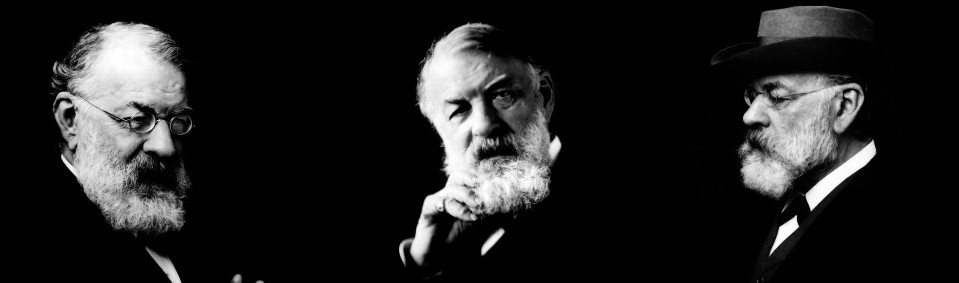
Photo collage © Mathias Brösicke — Dematon, Weimar

Archives

Categories

  • 1 Biographical Posts — RWE
  • 2 Articles and Essays — RWE
  • 3 Talks — RWE
  • Articles by Contributing Authors
  • Bibliography
  • Biographical Sketches
  • Books About Joseph Joachim
  • Brief Biography
  • Chronology
  • Concert Reviews & Criticism
  • Concerts
  • Contracts
  • Documents
  • Ephemera
  • Estate/Nachlass
  • Family
  • Iconography
  • Instruments
  • Joachim in Great Britain
  • Joachim Quartet
  • Letters
  • Links
  • Literature
  • Literature Review
  • Miscellaneous Articles
  • Obituaries
  • Pages
  • Queries
  • Recordings
  • Reminiscences & Encomia
  • Scores
  • Speeches and Utterances (Joachim)
  • Students
  • Uncategorized
  • Works
  • Writings (Joachim)

Pages

  • INDEX

Recent Comments

Joachim on Jakab Marastoni (Jacopo Antoni…
Joachim on Max Bruch: Gedenkworte für Jos…
Elena Breschkow on Max Bruch: Gedenkworte für Jos…
Bicskei Éva on Jakab Marastoni (Jacopo Antoni…
Bibliography | Josep… on Joachim’s Youth—Joachim…

Meta

  • Log in
  • Entries feed
  • Comments feed
  • WordPress.org

Email: Reshbach(at)unh.edu

Powered by WordPress.com.


Loading Comments...
 

    %d